
Gili Island in Lombok
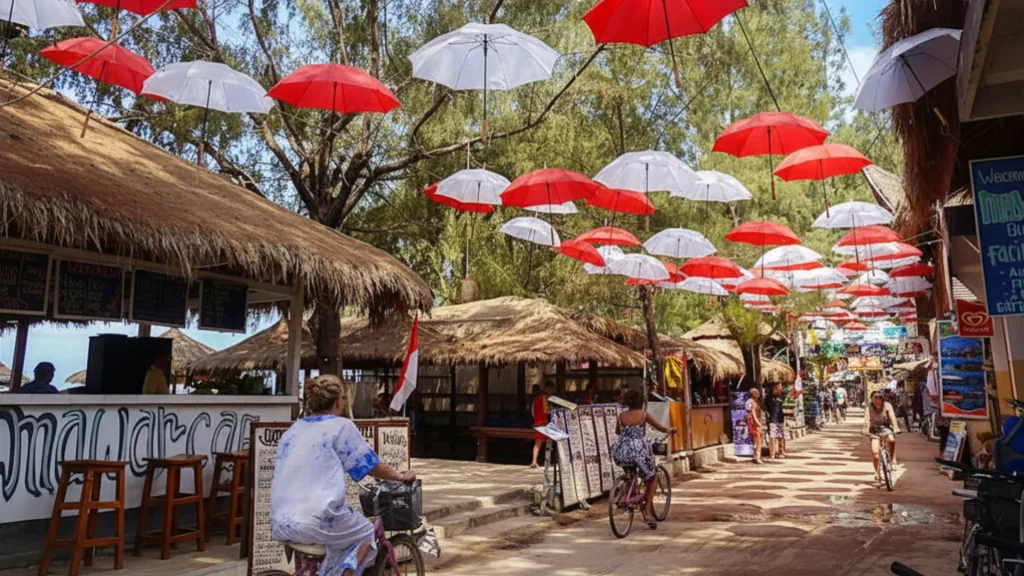
Gili Islands Guide: Beaches, Activities, and Travel Tips
Three islands, three completely different moods that’s the Gili Island Lombok archipelago in a nutshell. Sitting just off the northwest coast of Lombok Island, Gili Trawangan, Gili Meno, and Gili Air share the same turquoise water and the same ban on cars and motorbikes, but ask anyone who’s visited all three and they’ll tell you: which one you fall in love with depends entirely on what you’re looking for.
1. Which Gili Is Right for You?
Gili Trawangan is the largest and liveliest of the three beach bars, sunset parties, and the busiest arrival port in the archipelago. It’s the pick for travelers who want nightlife alongside their island time.
Gili Air, the closest island to Lombok mainland, sits at the opposite end of the spectrum bicycles instead of beach clubs, a slower pace, and a noticeably quieter arrival experience. It’s become the favorite among travelers who want the Gili scenery without the Trawangan crowd.
Gili Meno, the smallest of the three, is where couples go to disappear for a few days. There’s no dedicated fast boat terminal here Meno is typically reached as a stop along the same Lombok Strait crossing, making it easy to combine with a Trawangan or Air stay rather than book as a standalone destination.
For full arrival details, entry fees, and boat schedules, our dedicated guides to Gili Trawangan Port and Gili Air Port cover everything you need this guide focuses on what to do once you’re actually on the islands.
2. Life Without Cars
The defining rule across all three islands is simple: no motorized vehicles, anywhere. What that means in practice is clean air, quiet coastal paths, and a rhythm of life that runs noticeably slower than anywhere in Bali. Getting around means walking, renting a bicycle (roughly IDR 50,000–75,000 per day), or flagging down a local cidomo the traditional horse-drawn cart that’s become as much a part of the Gili identity as the beaches themselves.
One practical note if you’re island-hopping with luggage: pack light where you can. Hauling a large suitcase through sandy paths under the midday sun is nobody’s idea of a relaxing arrival a soft duffel bag makes the walk from the pier to your accommodation a lot easier.
3. Beneath the Surface: Diving and Snorkeling
The real draw for a lot of visitors isn’t what’s on the islands it’s what’s in the water around them. The Gilis sit inside a protected marine reserve, and the shallow fringing reefs are genuinely some of the best beginner-friendly snorkeling in Indonesia. Green and hawksbill turtles are common enough that spotting one from the beach isn’t unusual, and the coral gardens are home to clownfish, blue sea stars, and off Gili Meno specifically an underwater sculpture park known as the Nest, built partly as an artificial reef project.
For more experienced divers, PADI-certified dive centers on all three islands run trips out to well-known sites like Shark Point, Manta Point, and Halik Reef. Snorkeling trips are easy to arrange last-minute through traditional outriggers right off the main beach paths if you’d rather keep things casual.
4. Getting There from Bali
Reaching the Gilis means crossing the open Lombok Strait, and Dcamel runs this route with the D’Camel ALX an aluminium-hulled vessel with triple Volvo 850 HP water-jet engines, built specifically for the open-water conditions of this crossing rather than the shorter, sheltered hops closer to the mainland.
The shortest crossing departs from Padang Bai Port in East Bali, taking roughly 1.5 to 2 hours. If you’re staying in southern Bali Kuta, Seminyak, or Sanur departing directly from Sanur Port is usually the more convenient option. Both routes run on the same D’Camel ALX, so the choice mostly comes down to where you’re staying and how far you’re willing to travel to the departure port.
For exact departure times, eco-tax details, and what to expect on arrival, check our port-specific guides for Gili Trawangan and Gili Air between the two, they cover the full picture for whichever island you’re headed to first.
Explore More Travel Guide
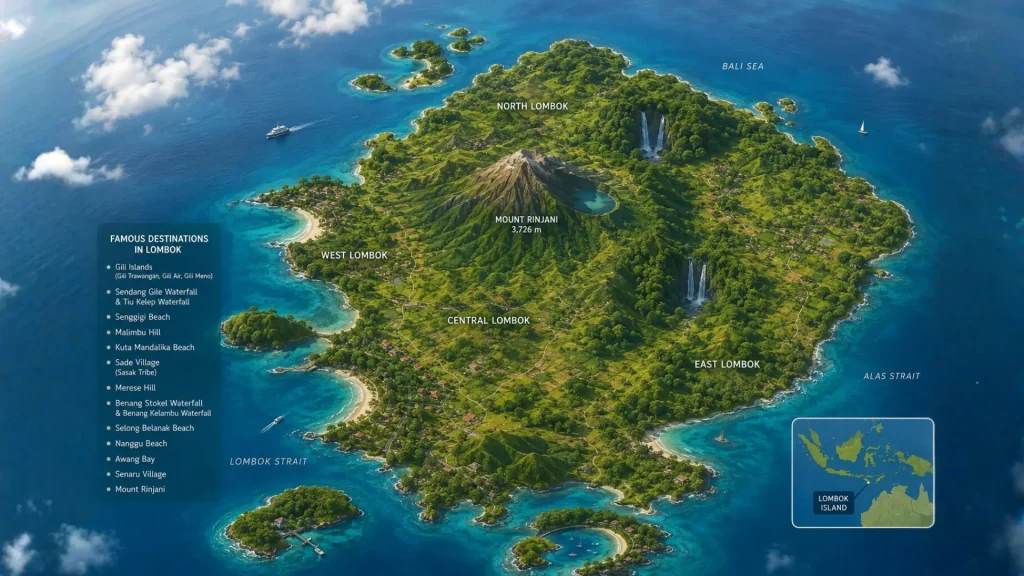
Discover the best of Lombok Island, from stunning beaches and mountain landscapes to cultural attractions and local experiences. Find practical travel insights to plan your perfect getaway.

Planning a trip to Gili Trawangan? This guide covers arrival experiences, harbor facilities, transportation options, and practical tips to help you navigate the island with confidence.

Get familiar with Gili Air Port before you arrive. Learn about arrival points, local transportation, nearby amenities, and useful travel advice for a smooth island experience.
