
Sanur Port in Bali

Sanur Port Guide: Everything You Need to Know Before Your Fast Boat Departure
If you’re catching a Dcamel fast boat from mainland Bali, chances are your journey starts here at Sanur Port, the busiest maritime gateway on the island. Here’s what to actually expect, from the moment you arrive to the moment you step onto the boat.
1. Say Goodbye to Wet Feet: How the Dry Landing System Changed Everything
Not long ago, getting to Nusa Lembongan, Nusa Penida, or the Gili Islands Lombok meant a “wet landing” wading through knee-deep surf at Matahari Terbit Beach with your bags held over your head, hoping nothing got soaked. Anyone who traveled to the islands before the upgrade remembers it well.
That’s no longer the case. Sanur Port now runs on a modern floating pontoon jetty system connected to a proper terminal building, so you can walk from an air-conditioned waiting hall, across a covered bridge, and straight onto your Dcamel boat without your shoes ever touching water. It’s a small detail, but if you’ve ever tried to board a boat with a soaked backpack and a phone in your pocket, you’ll appreciate exactly how much this changes the experience.
2. What to Expect at Check-In Sanur Port
Sanur Port operates a bit like a small regional airport. The terminal has air-conditioned waiting areas, digital screens displaying live departure schedules, restrooms, a nursing room, and a handful of cafés if you need a coffee before boarding. The main lounge is open to the public, but the area beyond it is reserved for ticketed passengers who’ve completed manifest check-in.
Here’s the part travelers often underestimate: arrive at least 45–60 minutes before your departure time. Head straight to the Dcamel sanur check-in counter, where your booking voucher gets exchanged for a physical boarding lanyard and manifest slip. This isn’t just a formality Indonesian maritime regulations require every passenger to be logged on the official manifest before boarding, and that process takes longer when the terminal is busy. Building in that buffer means you’re not the person jogging toward the gate with five minutes to spare.
3. Where Dcamel Boats Actually Take You From Here
Sanur Port connects to three main destinations, and Dcamel runs boats to all of them:
- Nusa Lembongan: a quick 30-minute hop to Jungut Batu Port, served by the D’Camel and D’Camel Max, both fiberglass vessels built for the short Badung Strait crossing.
- Gili Trawangan, Gili Air, and Lombok (Bangsal): a roughly 2-hour journey, operated with the D’Camel ALX, our largest and newest aluminium-hulled vessel. It runs on triple Volvo 850 HP water-jet engines and handles open water noticeably better than a standard fiberglass hull, which matters once you’re past the strait and into open sea swells.
One thing worth knowing if you’re planning a Gili or Lombok trip: Dcamel’s Sanur departure for this route runs once daily at 09:00 AM. If you see other operators at the port advertising afternoon departures to Gili Trawangan, that’s not a Dcamel sailing worth double-checking which boat and company is on your ticket before you assume timing.
4. When the Port Gets Busy (And When It Doesn't)
If you’re traveling with kids or elderly family members, timing matters more than you’d think. The port’s peak crush hour is 7:00–9:30 AM, when day-trippers headed to Nusa Penida and Lembongan all show up at once. Ticketing counters get backed up and the waiting hall fills fast.
If your schedule allows it, a mid-morning departure after 11:00 AM makes for a noticeably calmer check-in shorter lines, more seating, less jostling at the gate. It’s the kind of thing that only becomes obvious once you’ve done the 7 AM rush yourself.
5. Getting to Sanur Port
Sanur Port sits on the Matahari Terbit coastline in South Denpasar, and how long it takes to get there really depends on where you’re coming from and Bali’s ever-unpredictable traffic:
- From Kuta or Seminyak: roughly 30–50 minutes
- From Canggu or Ubud: closer to 60–90 minutes, especially if you’re crossing during peak traffic on the Ngurah Rai Bypass
Explore More Travel Guide
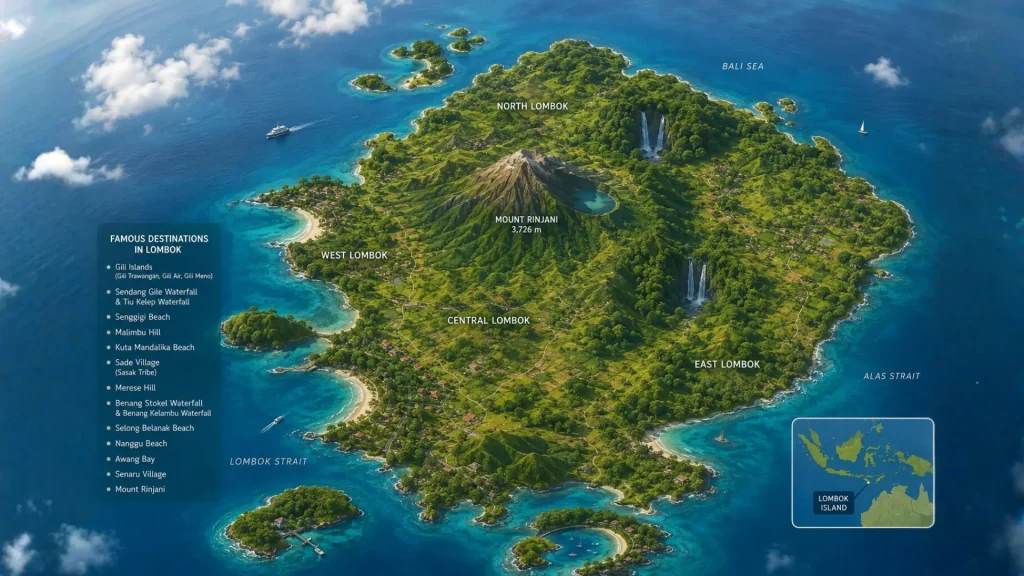
Discover the best of Lombok Island, from stunning beaches and mountain landscapes to cultural attractions and local experiences. Find practical travel insights to plan your perfect getaway.

Planning a trip to Gili Trawangan? This guide covers arrival experiences, harbor facilities, transportation options, and practical tips to help you navigate the island with confidence.

Get familiar with Gili Air Port before you arrive. Learn about arrival points, local transportation, nearby amenities, and useful travel advice for a smooth island experience.
