
Jungut Batu Port in Nusa Lembongan

Jungut Batu Port Guide: Your Arrival Point in Nusa Lembongan
If you’ve just crossed the Badung Strait from Sanur Port in Bali, there is Jungut Batu Port where your Nusa Lembongan adventure officially begins. Unlike the dry, air-conditioned terminal you left behind in Sanur, arriving here feels like stepping into a completely different rhythm sandier, slower, and a lot more island. Here’s exactly what to expect the moment your Dcamel boat noses onto the beach.
1. The Island's Busiest Gateway
Jungut Batu Port is the largest and busiest harbor on Nusa Lembongan, handling the highest volume of daily fast boat arrivals from mainland Bali. It also doubles as a local hub for inter-island commuter boats crossing to Nusa Penida’s Toya Pakeh and Banjar Nyuh harbors.
If you’re planning your return trip, Dcamel’s morning departure back to Sanur leaves at 08:30 AM, with additional sailings at 12:30 PM and 16:00 PM worth locking in early if you want the quieter first boat out.
2. Why Your Feet Are Getting Wet Here (And That's Normal)
Here’s a detail first-time visitors are rarely warned about: unlike Sanur’s modern pontoon system, Jungut Batu Port still runs on a classic wet landing. Your boat pulls right up onto the sand, and you’ll step off directly into calf-to-knee-deep seawater to reach the beach.
It’s not an inconvenience so much as part of the charm this stretch of coastline sits along roughly 2 kilometers of white sand, sheltered by an offshore coral reef that keeps the water calm enough for boats to approach safely. Our advice: wear shorts, skip the sneakers, and pack a dry bag for your phone and passport. Sandals or flip-flops you can slip on quickly once you’re ashore make the whole process painless.
3. Settling the Klungkung Tourism Fee
Right after you step onto dry sand at Jungut Batu Port, you’ll pass through a small checkpoint run by the Klungkung Regency government. This is where you pay the local tourism retribution fee IDR 25,000 for adults, IDR 15,000 for children either in cash or via QRIS. It only takes a minute, and the fee goes toward maintaining the island’s public facilities, so it’s worth having small cash ready to keep the line moving.
4. Getting Around Once You've Landed
The moment you step onto the beachfront road, Nusa Lembongan’s transport options are right there waiting:
- Scooter rentals line the shore, typically IDR 75,000 – 100,000 for 24 hours, fuel included the most popular way to explore the island independently.
- Open-air shuttle trucks with canopy seating are available for families or anyone traveling with heavier luggage, running direct to your resort.
- Traditional wooden boats depart from here for Nusa Penida at a local rate of around IDR 60,000 per person, a good budget option if Penida is next on your island-hopping list.
Jungut Batu Port also serves as a departure point for longer routes: Dcamel’s D’Camel ALX sails from here to Gili Trawangan Port, Gili Air Port, and Lombok (Bangsal) at 10:00 AM daily, giving Lembongan-based travelers a direct onward connection without backtracking to the mainland.
5. When to Time Your Arrival
The beach gets genuinely busy between 8:30 – 10:30 AM, when the morning wave of day-trippers floods in from Sanur. Porters, tour guides, and scooter touts crowd the shoreline during this window, which can feel overwhelming if you’re traveling with kids or elderly family members.
If your schedule is flexible, booking a return sailing after 3:30 PM makes for a noticeably calmer check-in and departure fewer crowds, more breathing room, and a much easier walk from the beach to your boat.
Explore More Travel Guide
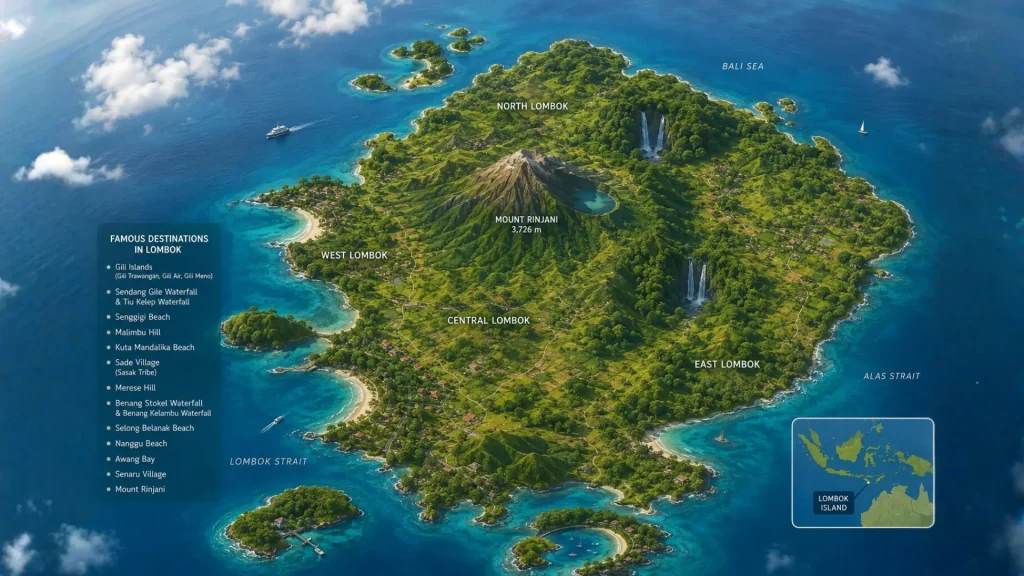
Discover the best of Lombok Island, from stunning beaches and mountain landscapes to cultural attractions and local experiences. Find practical travel insights to plan your perfect getaway.

Planning a trip to Gili Trawangan? This guide covers arrival experiences, harbor facilities, transportation options, and practical tips to help you navigate the island with confidence.

Get familiar with Gili Air Port before you arrive. Learn about arrival points, local transportation, nearby amenities, and useful travel advice for a smooth island experience.
