
Gili Air Port

Gili Air Port Guide: Arrival Information for Island Travelers
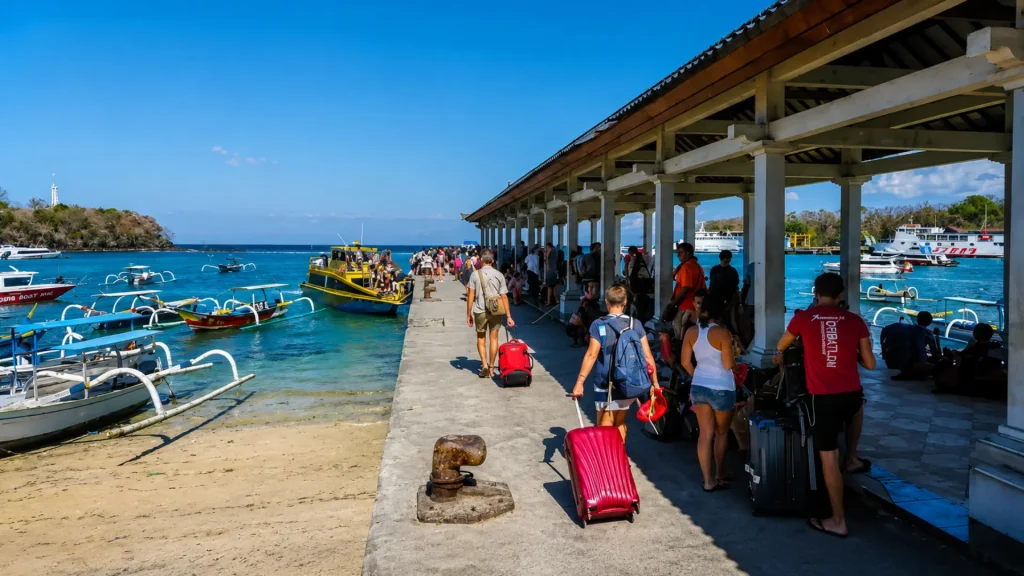
If Gili Trawangan is the Gili with the buzz, Gili Air Port is where things slow right down. This is the smallest and quietest of the three islands, and you’ll feel it the moment you step off the boat no beach clubs blasting music at the pier, no crowds of day-trippers, just bicycles leaning against palm trees and the occasional clip-clop of a passing cidomo.
1. Two Wheels, No Motors
The first thing you’ll want to do at Gili Air Port isn’t check into your hotel it’s rent a bicycle. Every rental stand near the jetty rents them by the day, and unlike Gili Trawangan Port where cidomo carts dominate the main strip, Gili Air’s flat, compact layout makes cycling the natural way to get around. Most first-time visitors are pedaling toward their accommodation within ten minutes of stepping off the boat, luggage balanced on the handlebars or strapped to a rented trailer.
Cidomo carts are still around for travelers with heavier bags or families with young kids, waiting just outside the terminal gate. But ask any regular visitor and they’ll tell you: the bike is part of the Gili Air experience, not just a transport option.
2. Before You Head Off: The Entry Formalities
There’s one stop before you’re free to explore a small government counter just past the jetty collects the Gili Eco-Tax, IDR 20,000 per person, in cash. It’s quick, and the fee goes toward marine conservation and waste management shared across all three Gilis. Keep small notes handy so you’re not holding up the queue behind you.
From there, the concrete jetty gets you onto dry land without any wading though during certain tides, the water can creep up around the jetty edge, and smaller boats occasionally use the beach instead. Shorts and slip-on sandals are worth packing regardless of which one you get.
3. The D'Camel ALX Crossing
Getting to Gili Air from Bali means crossing the open Lombok Strait, and Dcamel runs this leg with the D’Camel ALX an aluminium-hulled vessel powered by triple Volvo 850 HP water-jet engines, built to handle exactly this kind of open-water crossing rather than the calmer, shorter hops closer to the mainland.
4. Planning Your Day Around the Return Sailing
Because Dcamel runs just one return sailing a day from Gili Air, this is the detail that should shape your whole itinerary rather than an afterthought: the boat back to Sanur Port, Padang Bai Port, or Jungut Batu Port departs at 12:45 PM.
That means a full morning to enjoy the island a bike ride around the coastal path, breakfast at one of the beachfront warungs, maybe a short snorkel before you pack up but it also means watching the clock once late morning hits. The pier gets its busiest stretch between 11:00 AM and 1:00 PM as boats from both Bali and Lombok arrive and depart within the same window, so returning your bike and reaching the terminal with 30 – 45 minutes to spare avoids a last-minute scramble.
If your schedule allows a second night, staying over means skipping the rush entirely and catching a much quieter morning at the port the next day.
Explore More Travel Guide

Discover the best of Lombok Island, from stunning beaches and mountain landscapes to cultural attractions and local experiences. Find practical travel insights to plan your perfect getaway.

Planning a trip to Gili Trawangan? This guide covers arrival experiences, harbor facilities, transportation options, and practical tips to help you navigate the island with confidence.
Explore Padang Bai Port, one of Bali’s busiest maritime hubs connecting travelers to Lombok and the Gili Islands. Learn about departures, facilities, accessibility, and important travel information.
