
Gili Trawangan Port
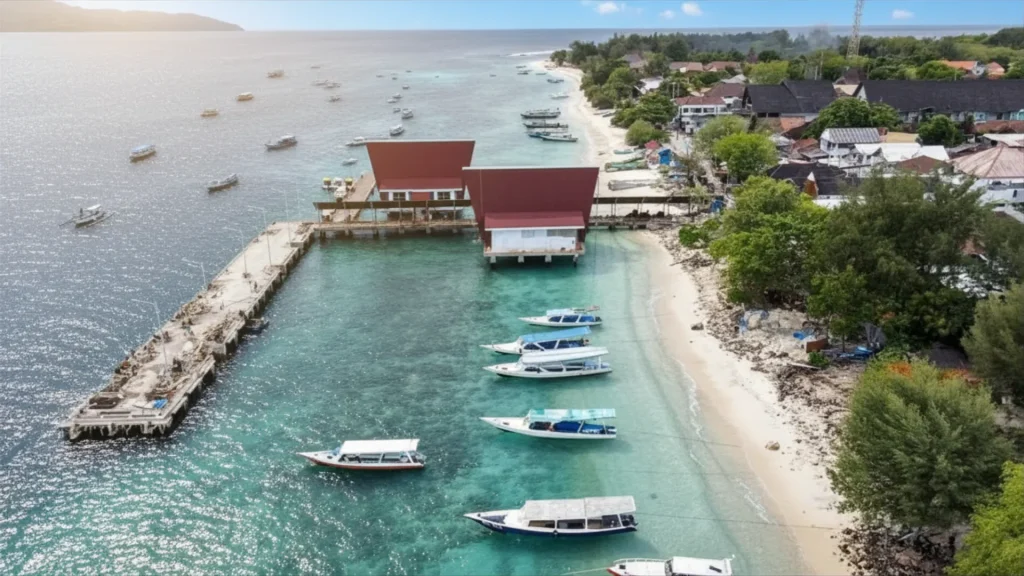
Gili Trawangan Port Guide: Arrival Tips and What to Expect
Stepping off the boat at Gili Trawangan Port feels different from anywhere else on this journey. There are no cars, no motorbikes, no honking traffic just the sound of waves, cidomo bells, and sandy pathways leading off toward the island. If Sanur, Jungut Batu, or Padang Bai felt like “getting somewhere,” Gili Trawangan feels like arriving.
1. The Island's Main Gateway
Gili Trawangan Port handles the highest volume of daily passenger arrivals across the entire Gili Island archipelago, connecting this car-free island directly to both mainland Bali and Lombok Island. Because motorized vehicles are banned here by local eco-regulation, the concrete pier gives way almost immediately to sandy footpaths you’ll notice the shift the second you step off the boat.
2. Paying the Gili Eco-Tax
Right after you disembark, you’ll pass through a small regional government counter to pay the Gili Eco-Tax, a mandatory environmental fee of IDR 20,000 per person. It funds waste management and marine conservation across the three Gili islands, and it’s collected in cash before you continue onto the main pathway. It’s a quick stop most travelers are through in under a minute but worth having small notes ready so you’re not holding up the line.
3. Dry Landing, With One Small Catch
Gili Trawangan Port uses a modern concrete pier, so under normal conditions you’ll walk straight off the boat onto dry, stable ground no wading required. The one thing to watch for: during low tide, water levels around the pier blocks can dip enough that the last stretch turns into a short wet step onto the sand. It’s minor, but our advice is the same as at every wet-landing point on this journey wear shorts and sandals you can slip on and off easily, just in case.
4. Getting Here and Getting Back
Dcamel’s D’Camel ALX connects Gili Trawangan directly to Bali, running the trans-Lombok Strait crossing with an aluminium hull and triple Volvo 850 HP water-jet engines built specifically to handle open-water swells. It’s the same vessel that brought you here if you sailed from Padang Bai Port.
Here’s the detail most guides leave out, and the one you actually need before you plan your day: the return sailing from Gili Trawangan back to Sanur Port, Padang Bai, or Jungut Batu departs at 12:15 PM once daily. If you’re island-hopping and heading back to Bali the same day, this is your only window, so plan your morning around it rather than the other way around.
5. Navigating the Midday Rush
The port’s busiest stretch runs from 11:00 AM to 1:30 PM, when incoming fleets from Bali unload arriving passengers at the same time outgoing boats are boarding for the return trip. The pier gets crowded fast porters, luggage, and travelers all converging in a tight two-hour window.
Once you’re through the gate, the assembly point for cidomo (traditional horse-drawn carts) sits just outside the terminal the only form of local transport on an island with no motor vehicles. If you’re catching the midday return sailing, it’s worth heading to the port a little earlier than usual, since the cidomo queue and the pier both get busy at exactly the same time.
Explore More Travel Guide
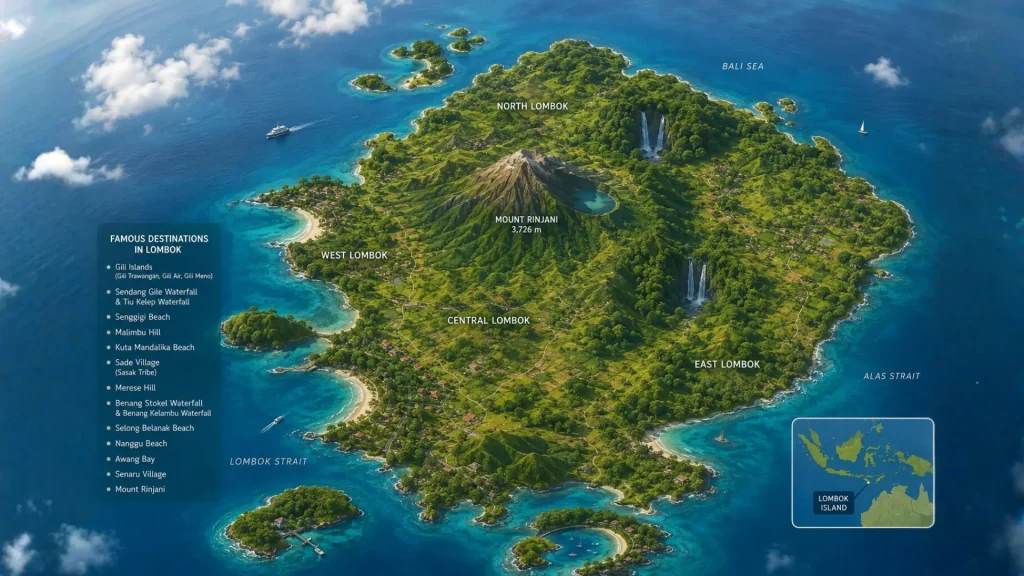
Discover the best of Lombok Island, from stunning beaches and mountain landscapes to cultural attractions and local experiences. Find practical travel insights to plan your perfect getaway.
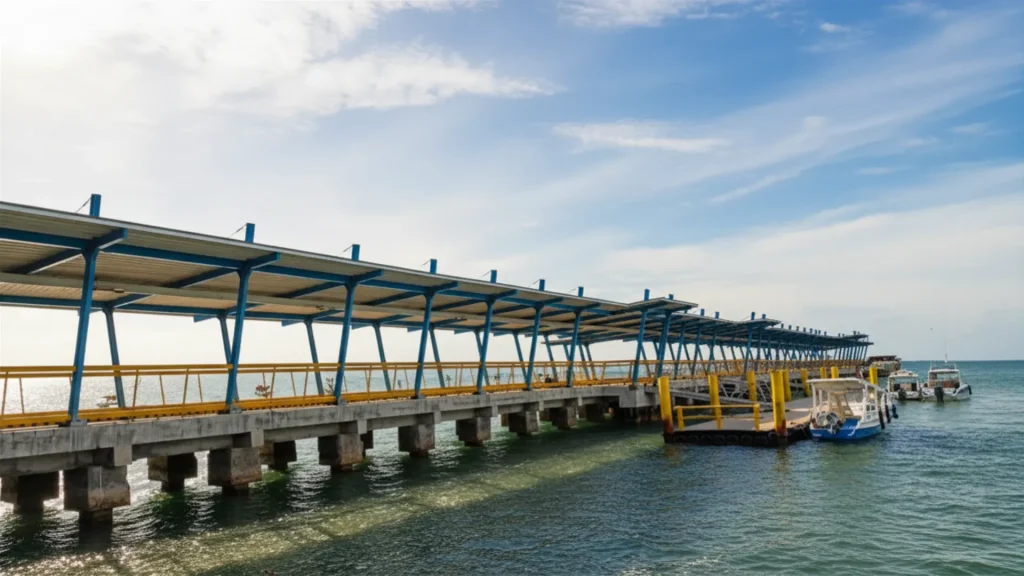
Bangsal Port serves as Lombok’s main transport hub for travelers heading to the Gili Islands. Discover ferry connections, port facilities, transportation options, and essential travel tips.

Get familiar with Gili Air Port before you arrive. Learn about arrival points, local transportation, nearby amenities, and useful travel advice for a smooth island experience.
